
Production Philosophy
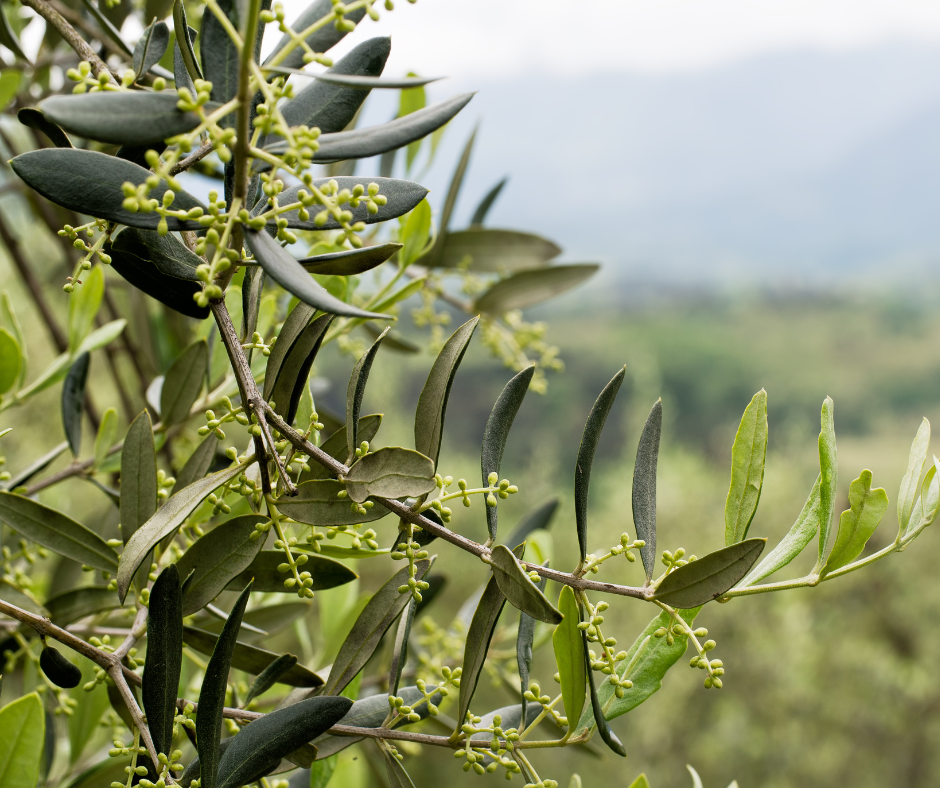
Immersed in the romantic foliage of the broadleaf woods surrounding our olive trees, the ritual of the harvest repeats itself — with its rhythms, the labor of the pickers, and the satisfaction of gathering the fruits of an entire year’s work.
I remember my first experiences back in 1998: we would start in November, the cold was much sharper, often with a few snowflakes, and the atmosphere of anticipation in the mills was the same as it is today.
Many seasons have passed since then; the gestures are the same, but the technique and awareness of the product have taken giant steps forward. Legislation has mandated more careful production processes, hygiene and cleanliness in the facilities are now essential, and even harvesting techniques have become more refined.
Olive oil, a fat that makes up more than 99% of its weight, is ultimately a simple product—just as simple are the guidelines that must be followed to obtain it.
I always remember the words of an old olive grower who, years ago, told me that olives and oil are perfect only while they are on the tree; once they’re harvested, it’s up to us to ruin the final product. Wise words indeed!
The literature on perfect harvesting today dictates picking olives before full ripeness (pre-veraison stage), processing the raw material on the same day, and operating in the mill at low temperatures (to avoid denaturing the product), roughly between 22 and 27 degrees Celsius. The resulting oil is filtered and stored in steel tanks under controlled atmosphere. That’s it! These are the ingredients for producing high-quality EVO oils.
The recipe is simple; the challenge is achieving it, because it requires great human effort and, above all, a consciousness and productive philosophy that cannot be acquired overnight but is learned year after year.
Dedication to the product and the desire to create something unique are essential.
Today, from our olive trees, we have learned to harvest by monocultivar, meaning we bring the olives to the mill by variety, following their natural ripening process. This company choice, more complex (but equally rewarding, I might add!), allows us to produce EVO oils of exceptional quality with outstanding chemical parameters: acidity 0.1% (legal limit 0.8), peroxides 4 meqO₂/kg (legal limit 22, a parameter that measures product oxidation).
The oil, then, stored in food-grade steel tanks under controlled atmosphere (nitrogen being the inert gas of choice), will remain stable over time and throughout the season, until the arrival of a new harvest. This is how our monocultivar Casaliva, Leccino, and Gargnà oils are born—the typical varieties of the Garda Bresciano, the cultivars that have made Benaco oil appreciated worldwide.
This way, it is possible to appreciate the artichoke notes of the Leccino, the typical almond aroma of the Casaliva, the green leaf scent of the Gargnà, and, in an imagined vertical tasting, a crescendo of spiciness from the Leccino up to the Gargnà. Our project is clear: to revalue even the oldest varieties to create the Lake’s oil collection and, by extension, the oil menu for restaurants and discerning consumers.
The frontier of innovation we are testing is the pitting of olives during processing. Technically, removing the pit ensures a finer product with clearer aromas and flavors. Analytically, the results should be even more positive: removing the pit means almost entirely eliminating linolenic acid, one of the most abundant fatty acids and the one that reacts most with suspended particles and water. In other words, linolenic acid is the main culprit in oil degradation over time, and pitted oils, as a result, guarantee great stability and longevity.
Technical updates will not stop here and will continue to evolve; it will be essential to maintain a consistent focus on producing high-quality, niche oils typical of the Alpine regions and characteristic of our lake.
Marco Penitenti